
A Roman Scandal Recordings can carry impressive production value without requiring an unlimited budget, as A Roman Scandal music and video credits demonstrates how focused creative choices shape a recording’s perceived worth. The real question is not how much a project costs, but how efficiently its money, time, and attention are converted into audience impact. For independent artists, documentary teams, and event producers, that means judging production expenses against emotional reach, reusable assets, and the practical demands of distribution.
Where the Budget Actually Creates Value
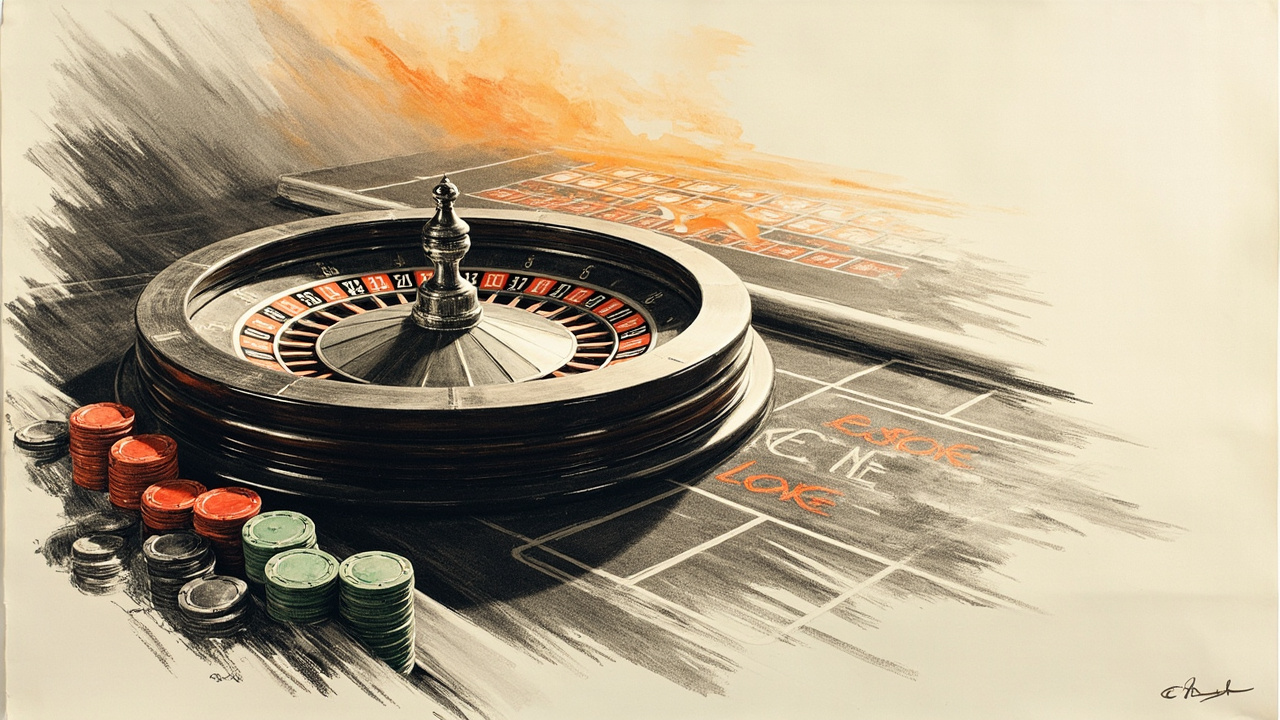
The core cost of A Roman Scandal Recordings is rarely the final master alone. Recording, rehearsal, location fees, equipment hire, editing, music production, artwork, permissions, and promotion all compete for funds. Yet a modest project can outperform a costly one when every element supports the same central idea. A controlled room, a clear visual plan, and disciplined editing often matter more than an expensive venue or a long promotional schedule.
Value also changes according to the intended use. A performance piece commissioned for a single event may justify greater on-site spending than a song released across several digital channels. Conversely, a recording intended to remain available online needs careful consideration of mix quality, visual presentation, and rights documentation. The useful comparison is between cost and deliverables: hours of finished audio, finished footage, usable stills, clean stems, and a package that can be promoted later.
A Roman Scandal Recordings should therefore be assessed through its production economy rather than its visible extravagance. Does each additional dollar improve the work, or merely increase its scale? Typical creative budgets often become inefficient when sound, image, and distribution are planned separately. Joining those decisions early reduces duplicated work and creates a more coherent final release.
Different Users, Different Measures of Return
Artists and Independent Producers
For an independent artist, the strongest return may come from creating material that can travel. A well-recorded performance can support a release, concert promotion, social clips, and future collaborations. The producer’s task is to protect the quality of the central track while controlling peripheral expenses.
A practical sequence is straightforward:
- Define the song, story, or performance that must survive every format.
- Produce a strong reference version with the available performers and equipment.
- Identify which additional recordings are genuinely required.
- Edit the visuals around the approved performance rather than manufacturing extra footage.
- Test the final package with a small audience before committing to promotion.
This process does not guarantee virality, but it makes spending decisions reversible until the essential assets are proven. The artist avoids paying early for expensive locations, elaborate motion graphics, or redundant studio sessions. Time saved during editing is especially valuable because independent releases often operate around a promoter’s schedule, a performer’s availability, and a platform’s delivery window.
Documentary and Event Teams
Documentary and event teams face a different cost structure. Their expenses usually rise with crew size, travel, shooting duration, and post-production complexity. For these users, value depends on whether the recording communicates the event clearly and remains useful after the live audience has gone.
Editing is the main efficiency lever. Long preparatory shoots can be shortened when the camera operator, director, and sound recordist agree on the required coverage beforehand. A shot list does not need to be rigid, but it should establish which moments are non-negotiable: the opening, a defining performance, audience response, and the closing sequence. The same discipline applies to sound. Capturing a clean performance may justify more effort than capturing every conversation, particularly if noise, inconsistent levels, and weak room tone would consume substantial post-production time.
The return is not simply a polished archive. A concise recording can support venue inquiries, future programmes, fundraising, and audience recaps. By treating the finished piece as a working asset rather than a one-time record, production costs become easier to amortise across several uses.

Access, Rights, and the Cost of Distribution
Distribution can erase apparent savings. A low-cost recording with unclear ownership, noisy audio, or missing credits may require expensive repairs before it can be used commercially. Conversely, modest work delivered in a well-prepared format can move through review and promotion more quickly. A short look at offshore casino access illustrates a broader operational point: users need to verify that a service or channel is genuinely available to them before paying for the surrounding product.
For A Roman Scandal Recordings, the pre-release check should include image and music permissions, performer agreements, accurate credits, and suitable technical files. These steps take time, but they prevent a late-stage stop that wastes much larger sums. Deliverables should match where they will actually be published: a compact review copy for approvals, high-quality masters for release, and a lightweight promotional edit for everyday use.
A Roman Scandal Recordings gains measurable value when the finished package reduces friction for everyone handling it. The performer can share it, the editor can locate material, the venue can screen it, and the rights holder can approve its use. That operational ease is often worth more than an isolated improvement in visual scale.
Choosing Value for Your Production Constraint
The right A Roman Scandal Recordings budget is determined by the constraint you can least afford to ignore. Artists usually need flexibility and reusable assets; documentary teams need coverage and clear storytelling; event producers need dependable delivery and rights clarity. Each profile requires different evidence before increasing spending.
A Roman Scandal Recordings deserves investment where the audience’s attention is won: a compelling performance, intelligible sound, purposeful editing, and trustworthy presentation. Spending beyond those priorities is optional rather than essential. Judge the project by what survives after production ends – the finished recording, its usefulness across channels, and the value created from every pound and hour invested.